We use Google Analytics to understand how visitors use this site. Analytics cookies are only activated with your consent. For details, read our Privacy Policy.
Profile lensThe same player, read from a different angle.
Athletic80
Acceleration
75
Pace
82
Agility
70
Strength
90
Balance
81
Jumping
77
Stamina
86
Fitness
78
Technical85
Dribbling
85
Short Passing
89
Long Passing
83
Finishing
81
Shot Accuracy
84
Shot Power
90
Shooting Technique
76
Heading
78
Tackling
83
Crossing
80
Free Kick
86
Penalties
83
First Touch
83
Mental82
Composure
88
Aggression
77
Consistency
75
Creativity
81
Leadership
86
Work Rate
79
Tactical84
Vision
88
Off the Ball
84
Defensive Positioning
73
Teamwork
89
Anticipation
77
Marking
66
Attacking81
Crossing
80
Finishing
81
Heading Accuracy
78
Shot Accuracy
84
Off the Ball
84
Technique84
Dribbling
85
Free Kick
86
Short Passing
89
Long Passing
83
First Touch
83
Shot Technique
76
Movement77
Acceleration
75
Pace
82
Agility
70
Balance
81
Physicality84
Shot Power
90
Jumping
77
Stamina
86
Strength
90
Fitness
78
Defending74
Marking
66
Tackling
83
Def. Positioning
73
Mentality & Game Reading82
Aggression
77
Composure
88
Penalties
83
Vision
88
Leadership
86
Work Rate
79
Teamwork
89
Anticipation
77
Consistency
75
Creativity
81
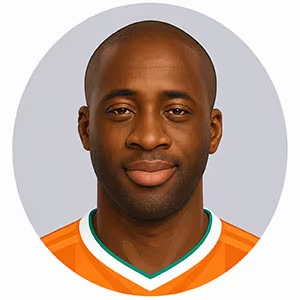
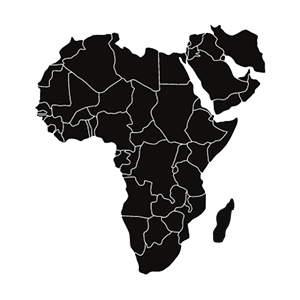
Ivory Coast - Centre MidfielderTouré, Yaya
At his absolute physical and technical peak in the early-to-mid 2010s, Gnégnéri Yaya Touré operated as a devastating, one-man locomotive who redefined the box-to-box midfield template in modern European football. Developing his versatile technical foundation at ASEC Mimosas and across Europe with Beveren, Metalurh Donetsk, and Olympiacos, Touré first reached global prominence under Frank Rijkaard and Pep Guardiola at Barcelona—functioning primarily as a disciplined, deep-lying screen and even starting at center-back in the 2009 Champions League final. However, his transformative leap occurred after his 2010 transfer to Manchester City, where Roberto Mancini and Manuel Pellegrini unshackled him into an advanced, free-roaming engine. Standing at six-foot-two with exceptional upper-body leverage and a long, deceptive stride, he combined brute carrying power with delicate close control, gliding through central midfields before unleashing thunderous strikes from distance or curling free-kicks into the top corner. His defining masterclass came during the 2013–14 campaign, where he scored 20 league goals from midfield to drag City to the Premier League title. Amassing 101 caps and 19 goals for Ivory Coast, he served as the talismanic captain who broke his nation's psychological curse to lift the 2015 Africa Cup of Nations, alongside claiming four consecutive African Footballer of the Year awards.
Psychologically, Touré was a proud, highly sensitive, and emotionally driven titan whose performances fluctuated based on perceived respect, tactical freedom, and his relationship with the hierarchy. When feeling undervalued or mechanically restricted, his defensive tracking could look languid and detached; but when handed the keys to the team as the undisputed protagonist, he possessed an almost unstoppable self-belief. In high-stakes knockout moments, his nervous system was built for clutch execution, regularly scoring decisive cup-final winners—such as the 2011 FA Cup semi-final and final, and the 2014 League Cup final—with total composure under pressure. Inside the dressing room, he was a complex, commanding figure: soft-spoken and warm with trusted peers, yet occasionally feeling alienated by modern football's corporate PR machinery. Under intense racial abuse in European away grounds, he displayed immense dignity and vocal courage, refusing to stay silent and demanding institutional accountability. Toward referees and opposing midfielders who bounced off his physical frame, Touré maintained a swaggering, authoritative dominance: relying on sheer power and technical superiority rather than malicious fouls, leaving a legacy as one of the most unstoppable forces the Premier League has ever witnessed.