We use Google Analytics to understand how visitors use this site. Analytics cookies are only activated with your consent. For details, read our Privacy Policy.
Profile lensThe same player, read from a different angle.
Athletic80
Acceleration
73
Pace
72
Agility
85
Strength
83
Balance
82
Jumping
90
Stamina
67
Fitness
85
Technical47
Dribbling
55
Short Passing
60
Long Passing
65
Shot Accuracy
44
Shot Power
80
Shooting Technique
44
Heading
55
Free Kick
44
Penalties
48
First Touch
62
Mental83
Composure
82
Consistency
85
Leadership
86
Goalkeeping89
Reflexes
93
Positioning
88
Handling
89
Kicking
87
Goalkeeping89
Reflexes
93
Positioning
88
Handling
89
Kicking
87
Attacking50
Heading Accuracy
55
Shot Accuracy
44
Technique55
Dribbling
55
Free Kick
44
Short Passing
60
Long Passing
65
First Touch
62
Shot Technique
44
Physicality81
Shot Power
80
Jumping
90
Stamina
67
Strength
83
Fitness
85
Movement78
Acceleration
73
Pace
72
Agility
85
Balance
82
Mentality & Game Reading75
Composure
82
Penalties
48
Leadership
86
Consistency
85
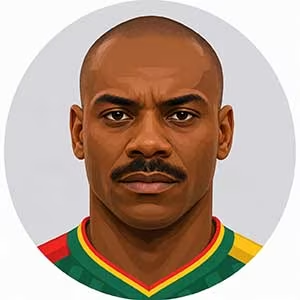
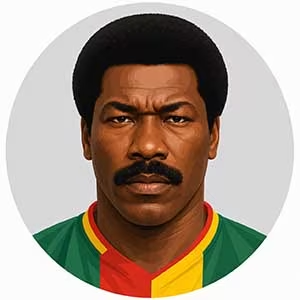
Cameroon - GoalkeeperN'Kono, Thomas
Long black tracksuit bottoms, cat-like aerial acrobatics, and an explosive one-handed punching technique turned Thomas N'Kono into the pioneering archetype for African goalkeeping on the global stage. Forged in the domestic crucible of Canon Yaoundé—where he captured five Cameroonian league titles and two African Cup of Champions Clubs crowns (1978, 1980)—N'Kono made history by becoming the first goalkeeper to win the African Footballer of the Year award twice (1979, 1982). His international breakthrough arrived at the 1982 World Cup in Spain, where his sensational reflexes and commanding box presence conceded only one goal across three group matches against Peru, Poland, and eventual champions Italy. This masterclass earned him an iconic, eight-season tenure in La Liga with RCD Espanyol: appearing in more than 300 official matches, he backstopped the Catalan club to the 1988 UEFA Cup Final, neutralizing high-velocity European attacks through spring-loaded horizontal leaps and unmatched bravery in one-on-one standoffs. For Cameroon, across 112 caps, he was the defensive foundation of the 1984 Africa Cup of Nations triumph and the historic 1990 World Cup campaign in Italy, where his impassable form at age 34 inspired a young Gianluigi Buffon to abandon midfield and pursue a career between the posts.
Yet, N'Kono’s high-flying style featured distinct structural vulnerabilities. His heavy reliance on punching crosses rather than securing catches under pressure often created second-chance scrambles in his own six-yard box, and his distribution with the ball at his feet was strictly old-fashioned, relying on long-range boot clearances rather than constructive ground buildup. Furthermore, in the twilight of his European spell, his lateral recovery speed slowed down, leaving him susceptible to skidding low drives and near-post sneaks during Espanyol’s difficult 1988–89 relegation season.
Regal, unflappable, and carrying the quiet, patriarchal dignity of a continental pioneer, N'Kono approached the elite European game with extraordinary psychological composure. Navigating the systemic prejudice and intense media skepticism directed at African goalkeepers in 1980s Europe, he dismantled stereotypes entirely through on-pitch authority, impeccable positional timing, and an unshakeable inner calm. On the pitch, his communication was measured and low-frequency; he did not scream hysterically at his back four, projecting instead an aura of total security that stabilized Cameroon's sometimes chaotic defensive lines against global giants like Argentina and England. Inside the dressing rooms of Espanyol and the Indomitable Lions, he was a revered elder statesman and mentor, setting a standard of monastic preparation that paved the way for successors like Joseph-Antoine Bell and Carlos Kameni. Facing aggressive European center-forwards who tried to dislodge him on high balls, N'Kono attacked the aerial trajectory with a raised knee and an iron fist, dominating his territory without resorting to cynical provocation. Referees respected his calm, sporting demeanor, cementing an immortal legacy as the trailblazing, acrobatic titan who forever transformed the global perception of African goalkeeping.


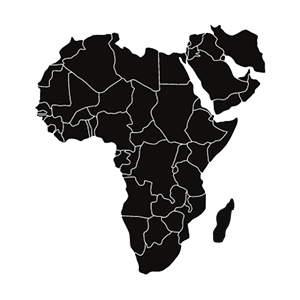 All-Time AfricaAfrica