We use Google Analytics to understand how visitors use this site. Analytics cookies are only activated with your consent. For details, read our Privacy Policy.
Profile lensThe same player, read from a different angle.
Athletic81
Acceleration
74
Pace
82
Agility
76
Strength
91
Balance
82
Jumping
80
Stamina
81
Fitness
83
Technical84
Dribbling
83
Short Passing
77
Long Passing
75
Finishing
88
Shot Accuracy
87
Shot Power
83
Shooting Technique
79
Heading
86
Tackling
41
Crossing
71
Free Kick
72
Penalties
77
First Touch
86
Mental77
Composure
83
Aggression
77
Consistency
80
Creativity
74
Leadership
70
Work Rate
74
Tactical82
Vision
74
Off the Ball
88
Defensive Positioning
48
Teamwork
83
Anticipation
85
Marking
41
Player Traits
Attacking84
Crossing
71
Finishing
88
Heading Accuracy
86
Shot Accuracy
87
Off the Ball
88
Technique79
Dribbling
83
Free Kick
72
Short Passing
77
Long Passing
75
First Touch
86
Shot Technique
79
Movement79
Acceleration
74
Pace
82
Agility
76
Balance
82
Physicality84
Shot Power
83
Jumping
80
Stamina
81
Strength
91
Fitness
83
Defending43
Marking
41
Tackling
41
Def. Positioning
48
Mentality & Game Reading78
Aggression
77
Composure
83
Penalties
77
Vision
74
Leadership
70
Work Rate
74
Teamwork
83
Anticipation
85
Consistency
80
Creativity
74
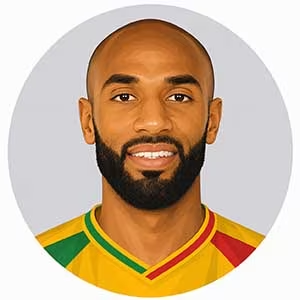
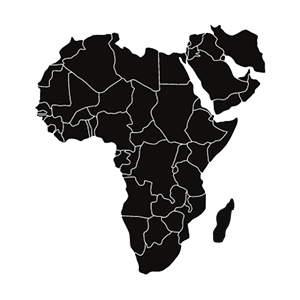
Mali - StrikerKanouté, Frédéric
Kanouté was born in Lyon in 1977 to a French mother and a Malian father. He was a technically gifted forward who played across the front line — as a central striker, second striker or occasionally wide — combining good pace, close control and an elegant first touch with a somewhat inconsistent finishing record relative to his overall quality. He was two-footed and comfortable dropping into midfield to link play, a versatility that made him useful in multiple systems without ever making him a fixed, predictable presence in any single one. He came through Lyon's academy, moved to West Ham United in 2000, then to Tottenham in 2001, before his defining chapter at Sevilla from 2005, where he became the club's talisman during its most successful modern period: two UEFA Cups, a Copa del Rey, and the club's all-time leading foreign goalscorer for years. He represented France at youth level before choosing to play for Mali, his father's country, becoming captain and leading the side to the semi-finals of the 2012 Africa Cup of Nations at the age of thirty-four, still the country's best finish in the competition.
His limitations were technical and, at moments, connected to choices he made outside pure footballing logic. Kanouté's finishing could be streaky across a season, productive in bursts rather than consistently reliable, and he was not a dominant physical presence in the box despite his height, preferring subtlety to power. His decision to switch international allegiance from France's youth pathway to Mali, made in his mid-twenties at what was arguably his career peak, was a deliberate choice of identity over the higher sporting profile a France career might have offered, and it meant he competed at a lower level of international tournament for the rest of his career than his talent might otherwise have reached.
Temperamentally he was thoughtful, private and guided consistently by personal conviction rather than by career optimization. Kanouté converted to Islam as a young player in England, a decision he discussed rarely and never used to draw attention to himself, and it shaped visible aspects of his professional conduct for the rest of his career — the covered shirt during Ramadan-period matches, the refusal to promote alcohol sponsorship even at cost to himself financially, a calm adherence to principle that never curdled into public confrontation with his employers. He was not a vocal leader on the pitch, organizing little and rarely disputing decisions with referees, and his authority within Sevilla's dressing room and later as Mali's captain came from consistency and quiet respect rather than volume. He supported humanitarian causes in Mali and across Africa throughout his career, funding causes without extensive publicity, and his decision to represent a footballing minnow over an elite national team reflected the same pattern that defined the shirt gesture — a willingness to accept a materially smaller reward in exchange for alignment with his own values. Away from football he remained deeply private about his faith and his charitable work, giving relatively few interviews on either subject despite consistent public interest in both. Composed, principled and quietly unwilling to compromise on matters of identity, Kanouté built a career that repeatedly chose conviction over the more conventional path to maximum visibility.


 All-Time AfricaAfrica