
Coach Dossier
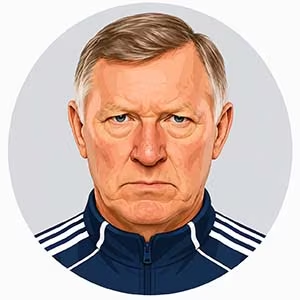
Alex Ferguson
Alex Ferguson was less a system inventor than a dynasty builder: ruthless, adaptable and psychologically overwhelming, with teams designed to attack quickly, use width and win the decisive moments.
Preferred structures
Shape before dogma.
Playing Philosophy
Tactical fingerprint
Tactical Reading
How his football thinks
Ferguson treated tactics as tools rather than doctrine. His sides changed shape across eras, from classic 4-4-2 to more continental 4-3-3 and 4-2-3-1 structures, but the identity remained clear: speed, width, competitive aggression and an almost unreasonable belief that the match was never finished.
The Ferguson profile is built around man-management, discipline, adaptability and vertical attacking. His teams usually stretched opponents through wingers or advanced full-backs, then attacked central spaces with runners and forwards arriving at speed. Pressing was not always constant, but it was timed and strategic. In Europe he could become more compact, absorb pressure and counter; domestically he often asked United to impose rhythm, width and emotional pressure. His substitutions were rarely cosmetic: they were structural retools, designed to change the match state.
Touchline profile
Coaching Skills
Authority profile
Mental Skills
Traits
Managerial personality
Legacy
Why he matters
Ferguson’s legacy is the art of management in its widest sense: rebuilding teams, controlling dressing rooms, reading eras and preserving hunger after victory. If some coaches changed football’s theory, Ferguson changed what long-term dominance could look like inside a modern superclub.
Profile based on the archived DX84Tech coach dossier and adapted to the Legends Database coaching model.Key players
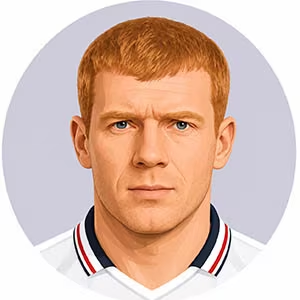
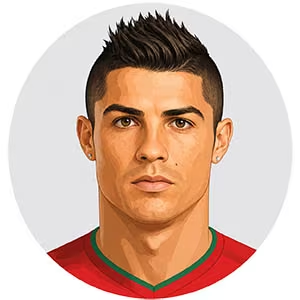
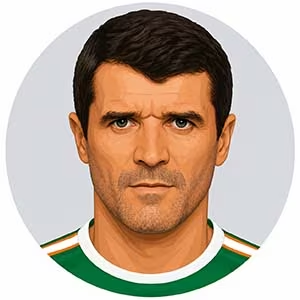
Players shaped by the system

See also
Explore more
Three coaching routes to keep the tactical thread alive.Scotland coaching line
Follow coaches from the same football culture and compare how differently they interpret authority.
Similar fingerprints
Nearby profiles by pressing, structure, mentality, risk and preferred game model.
The elite table
Return to the full coaches index and sort by OVR, psychology, tactical focus or preparation.